

Asuka's Rain-Begging Dance
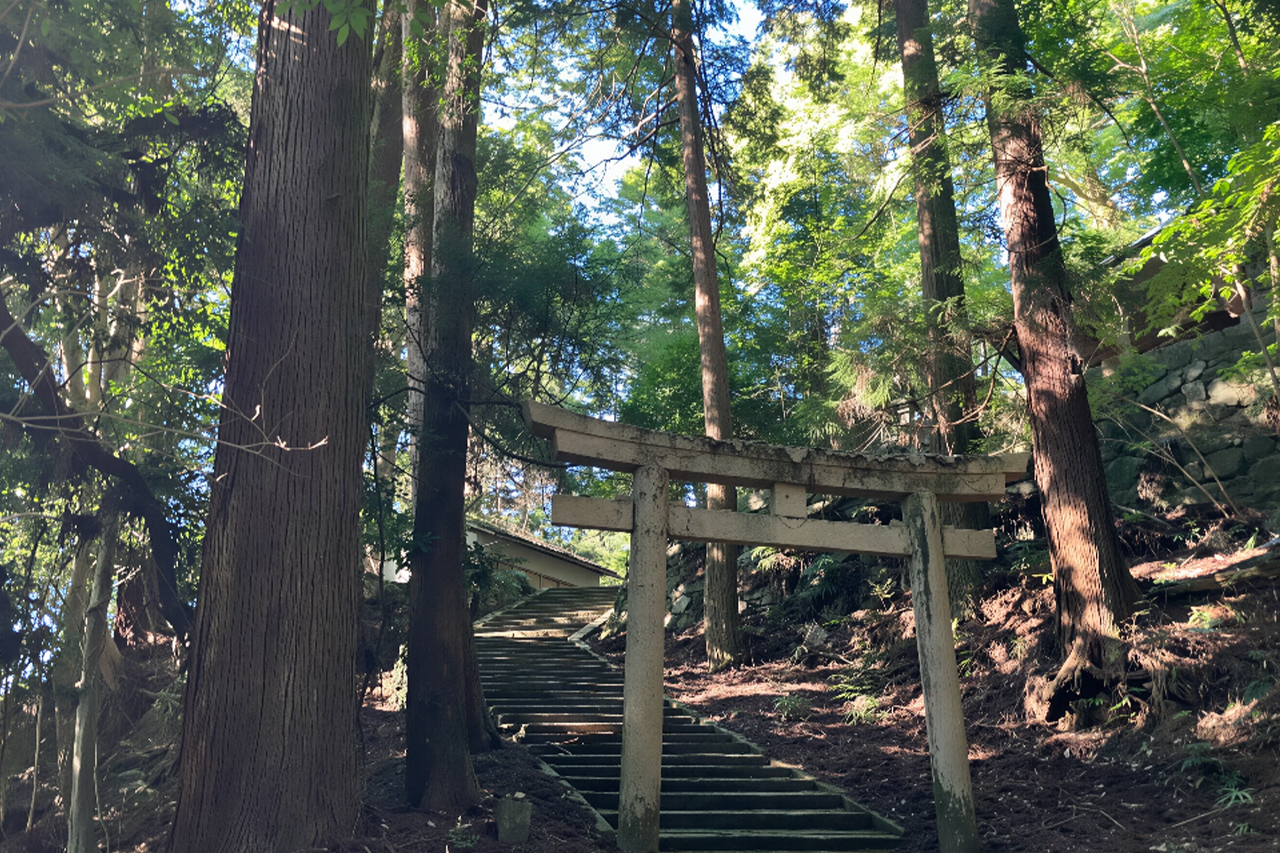
You might not expect a small rural village to preserve a ritual that reaches back to the very beginnings of Japan's recorded history.
But in Asuka, some traditions have never fully disappeared — they have simply waited to be remembered.
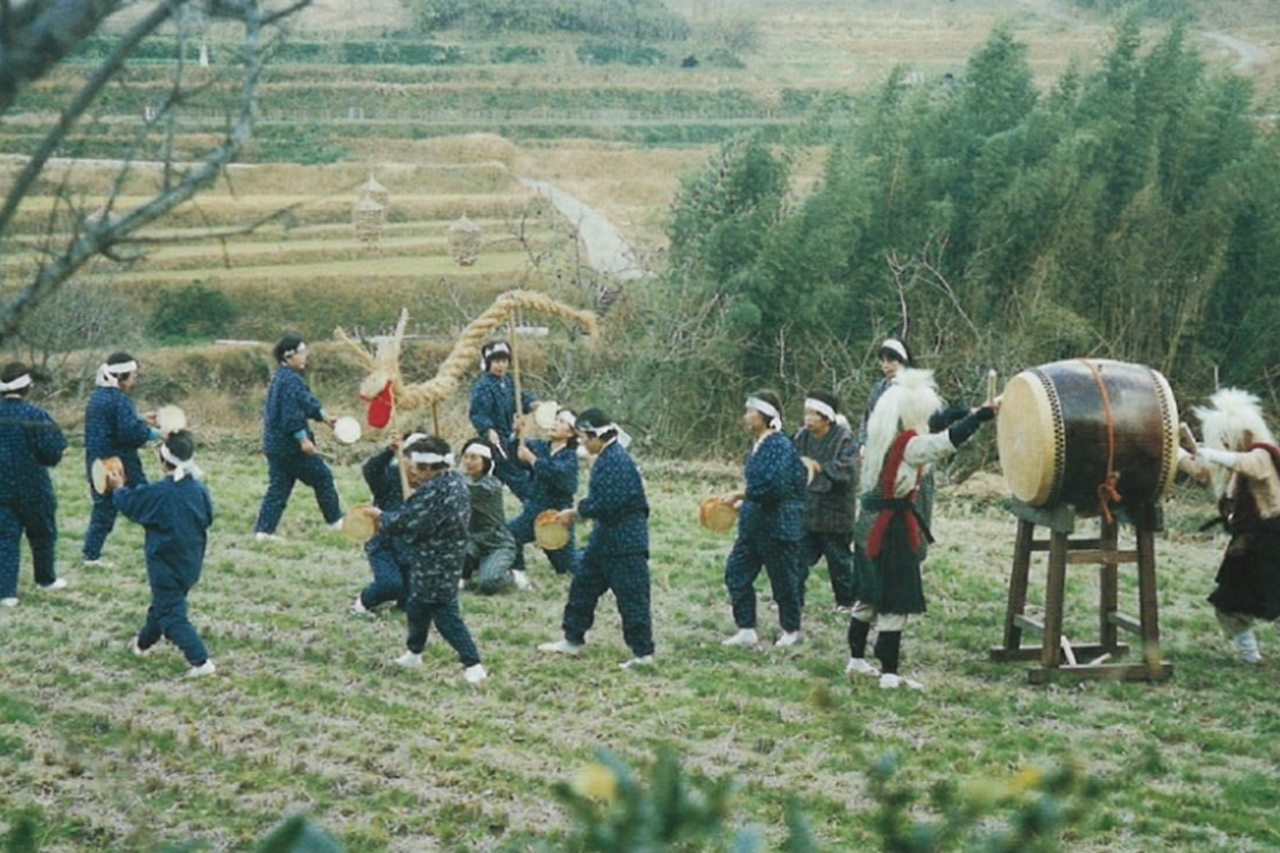
Namode Odori is one such tradition: a ceremonial rain-begging dance rooted in prayer, community, and the land itself.
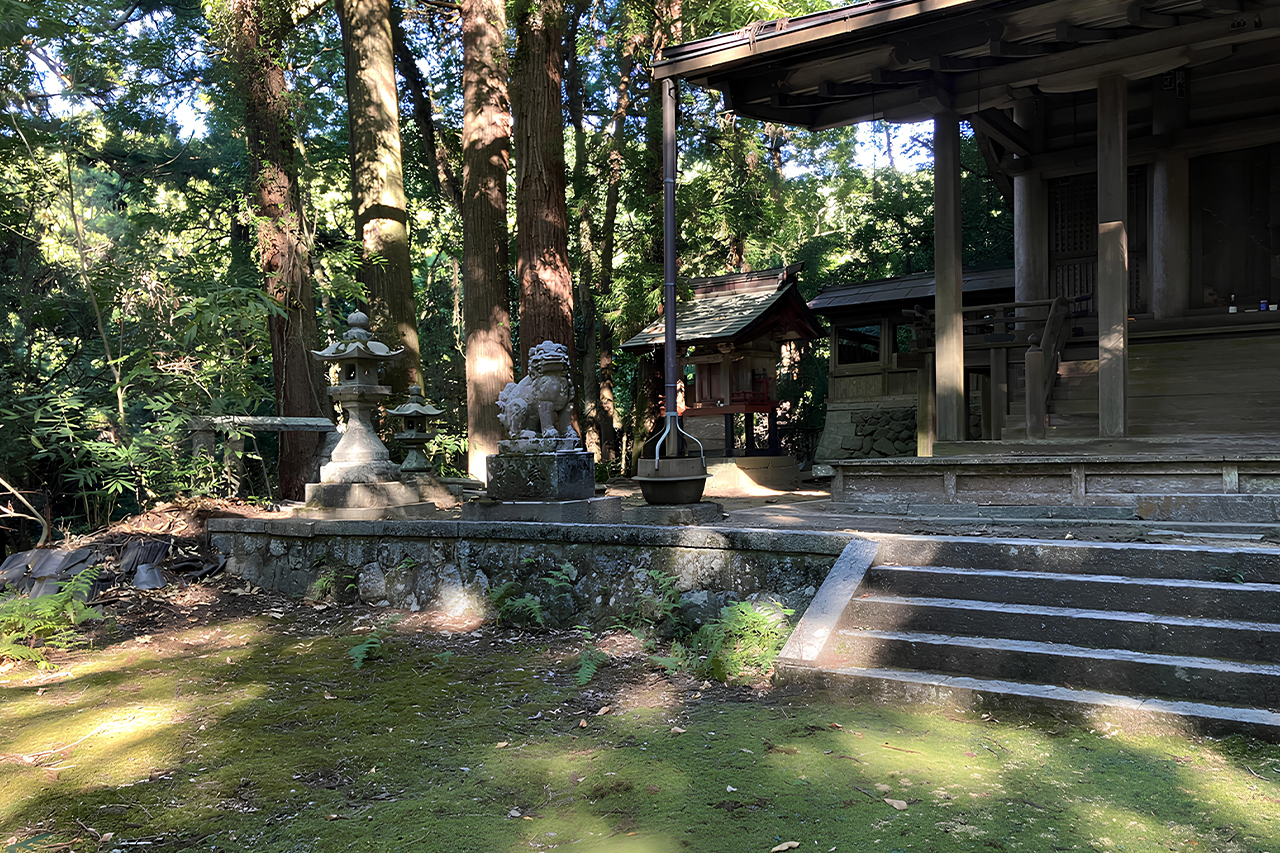
The origins of Namode Odori date back to the year 644, when Asuka was the capital of Japan.
According to The Chronicles of Japan (Nihon Shoki), the region was struck by a severe drought. Day after day, no rain fell. The powerful Soga clan and local shrine priests tried various rituals, and even offered valuable livestock as sacrifices—but nothing worked.
It was then that Empress Saimei took action. Walking along the Asuka River, she reached a sacred place where she knelt and prayed to the four cardinal directions. Among the many rain-making traditions in Japan, Namode Odori in Asuka is unique in that the emperor herself is recorded as having performed it.
Soon after, thunder echoed across the sky, and rain finally began to fall. It continued for three days and nights, reviving the land and bringing the crops back to life.
The memory of this prayer — and the rain it brought — would later be passed down in the form of Namode Odori.
Not forgotten — but no longer practiced.
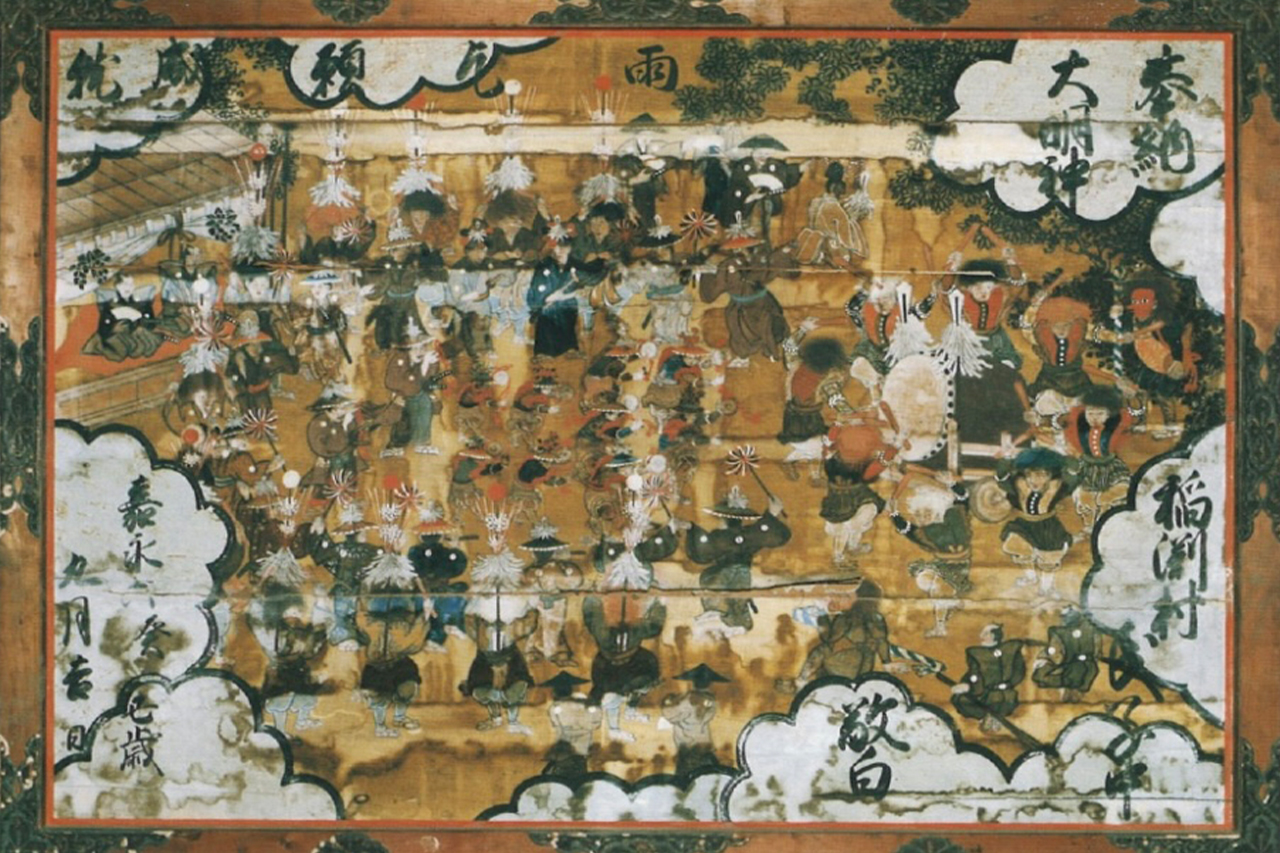
Using this as a guide, local residents worked to reconstruct the movements and meaning of the ritual. This effort later led to the formation of a preservation society, which today includes people of all ages and backgrounds from the village—men and women, young and old—working together to keep the tradition alive.
Their work goes beyond performance. It includes practice, research, and teaching — and, above all, reflecting on why Namode Odori still matters today.
For most of its history, Namode Odori existed entirely outside the sphere of tourism.
Those who carried and protected the dance did so for their community, not for visitors. Many of them had no connection to tourism at all, and even today, the number of people able to carry on the tradition continues to decline.
This is the reality facing Namode Odori — and one shared by many local traditions across rural Japan.
At the same time, Namode Odori is deeply connected to the cultural foundations of Asuka itself: satoyama landscapes shaped by rice cultivation, a way of life grounded in a close relationship between people and the land, and a worldview rooted in prayer and gratitude toward nature.
These are the roots of Asuka’s culture, and they are values that resonate far beyond the village. Our role is not simply to preserve such traditions as traditional performing arts. It is to help create conditions in which they can continue to exist.
By re-framing what has long been “ordinary” within the local community as something that carries universal meaning, we aim to build a structure in which traditions like Namode Odori are not only protected but sustained. In this context, tourism is not a stage. It is a bridge — connecting local culture with a wider world and helping ensure that these traditions remain part of Asuka’s living future.
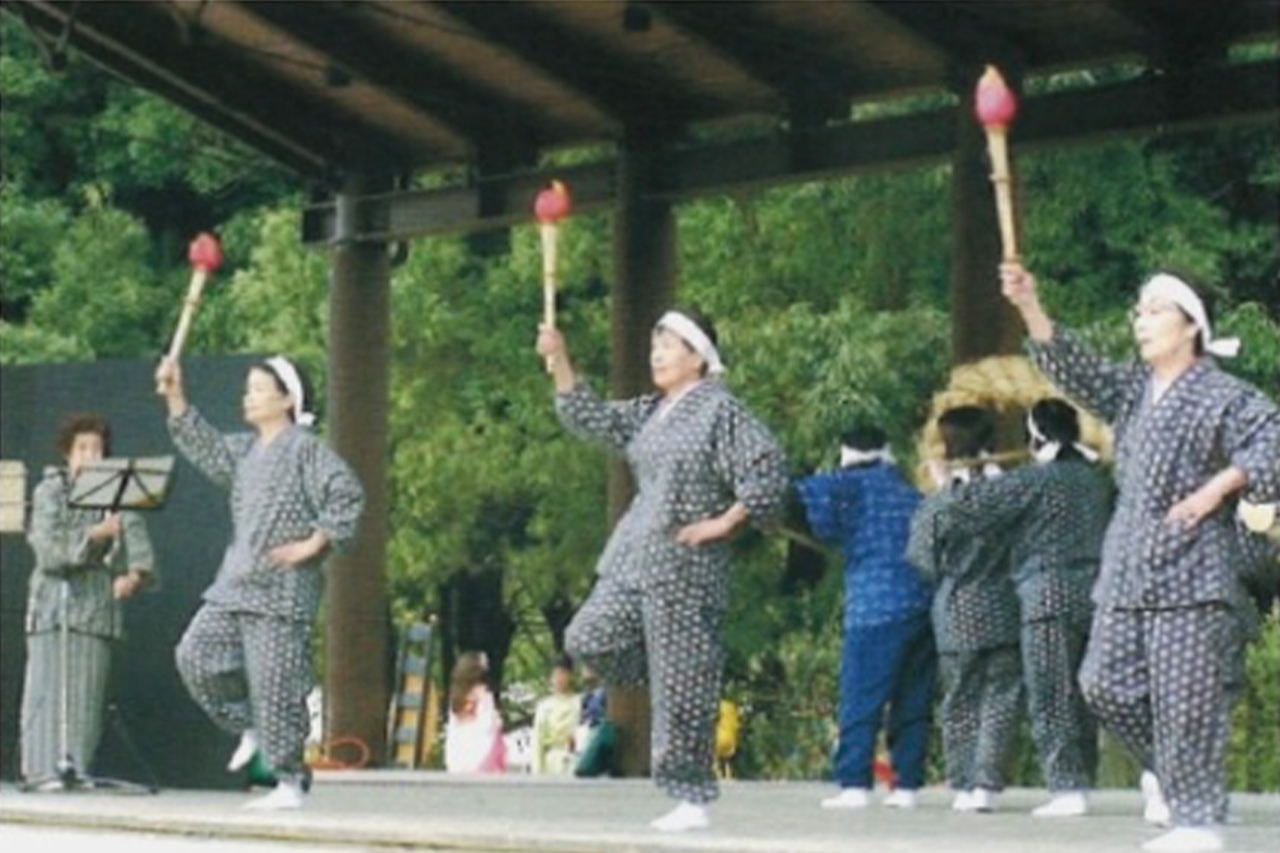
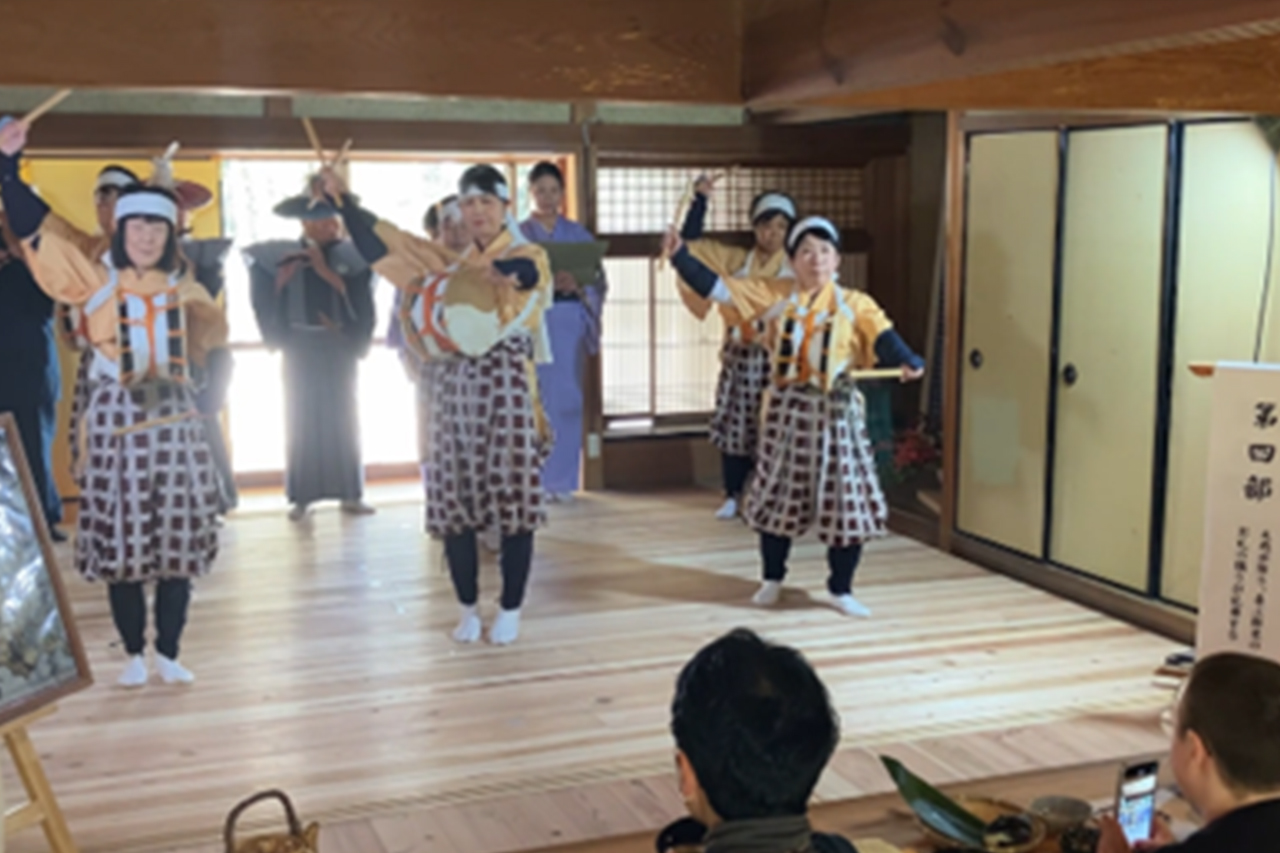
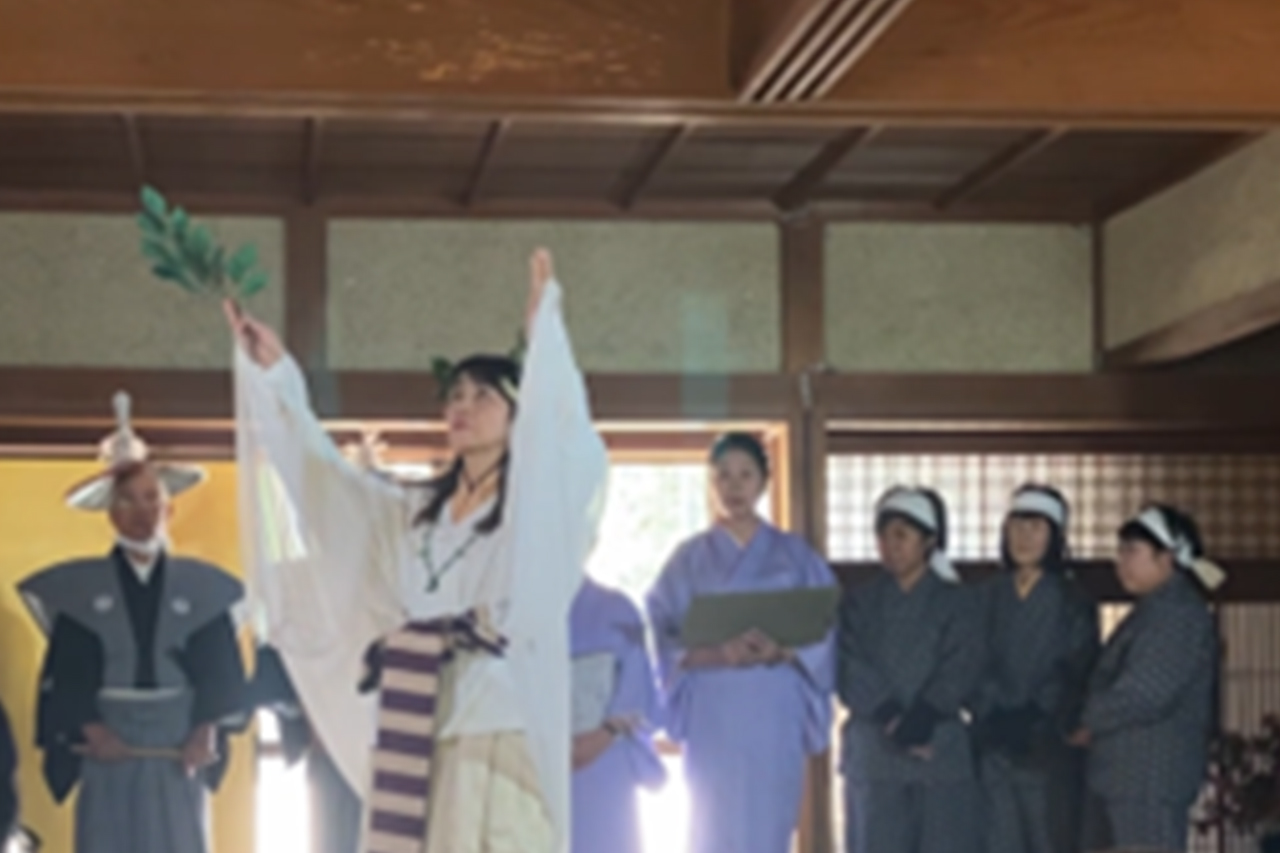
While its performance dates are quite limited, if you are interested in seeing Namode Odori during your visit to Asuka, please feel free to contact the Asuka Tourism Association.
The performance is not only about watching and listening, but you will get to interact with the performers. If you wish, try playing their instruments.
info@asukakyo.jp
